ILO board backs Palestinian worker programme for 2026-2029
The programme will succeed a 2023-2025 plan, and Palestinian officials said a ceasefire has not ended the challenges facing workers.
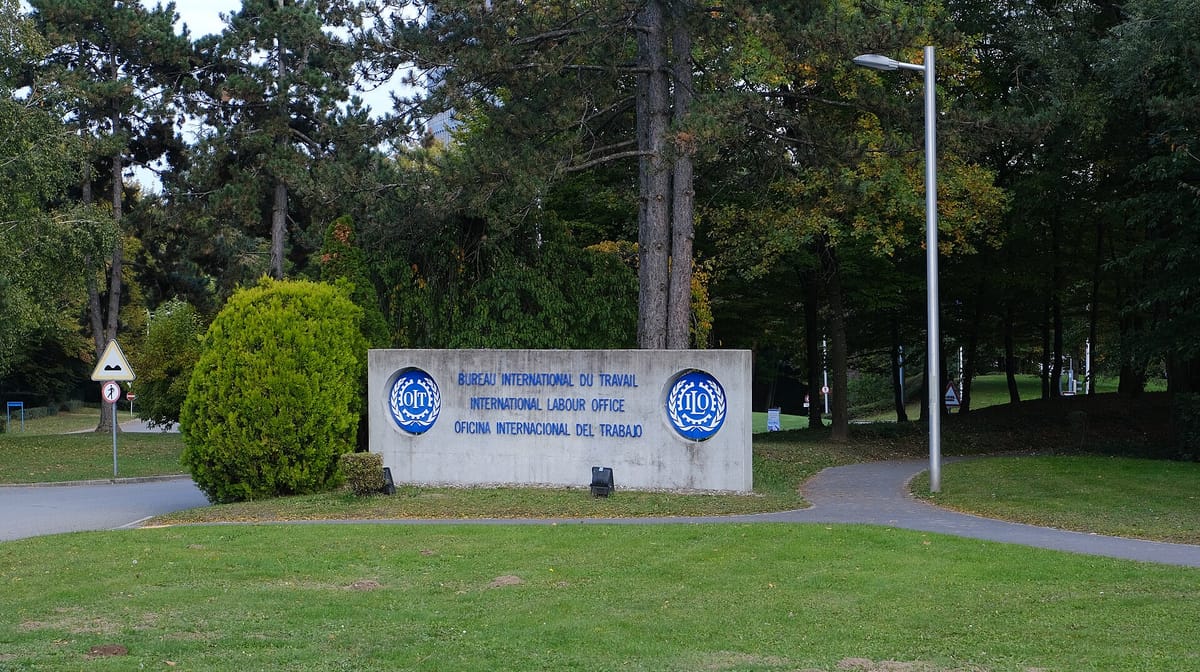
The International Labor Organization's Governing Body unanimously adopted a decision on Friday on development cooperation for the occupied Palestinian Territory, the official Palestinian news agency WAFA reported.
The decision was taken at the body's 358th session in Geneva and concerns the enhanced development cooperation programme for the territory.
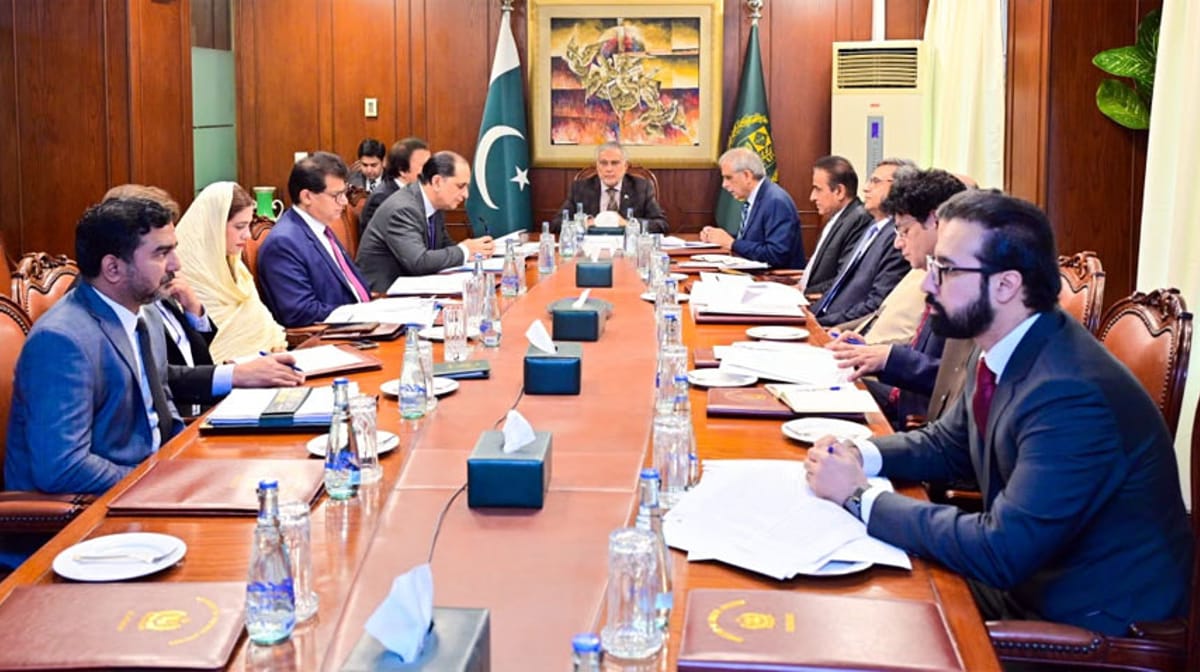
The Palestinian delegation included Ambassador Ibrahim Khraishi, the State of Palestine's permanent observer to the United Nations and other international organizations in Geneva, Shaher Saed, secretary-general of the Palestinian General Federation of Trade Unions, and Abdo Idris, president of the Federation of Palestinian Chambers of Commerce, Industry and Agriculture.
ILO Director-General Gilbert F. Houngbo also attended the session, along with regional office representatives and employer and worker representatives.
The decision follows a review of the third Decent Work Programme for the territory, which covered 2023 to 2025, as well as the end of an Emergency Response Plan and its recovery programme.
The body is moving to a Decent Work and Recovery Programme for 2026 to 2029, which aims to strengthen the rights of Palestinian workers, protect their livelihoods and support jobs, social protection, economic recovery and reconstruction.
Khraishi thanked the director-general and the ILO offices for preparing the report, and he welcomed the new programme and the Business Recovery Initiative, which he said had helped several Palestinian enterprises and restored jobs.
He stressed that these efforts must continue and expand.
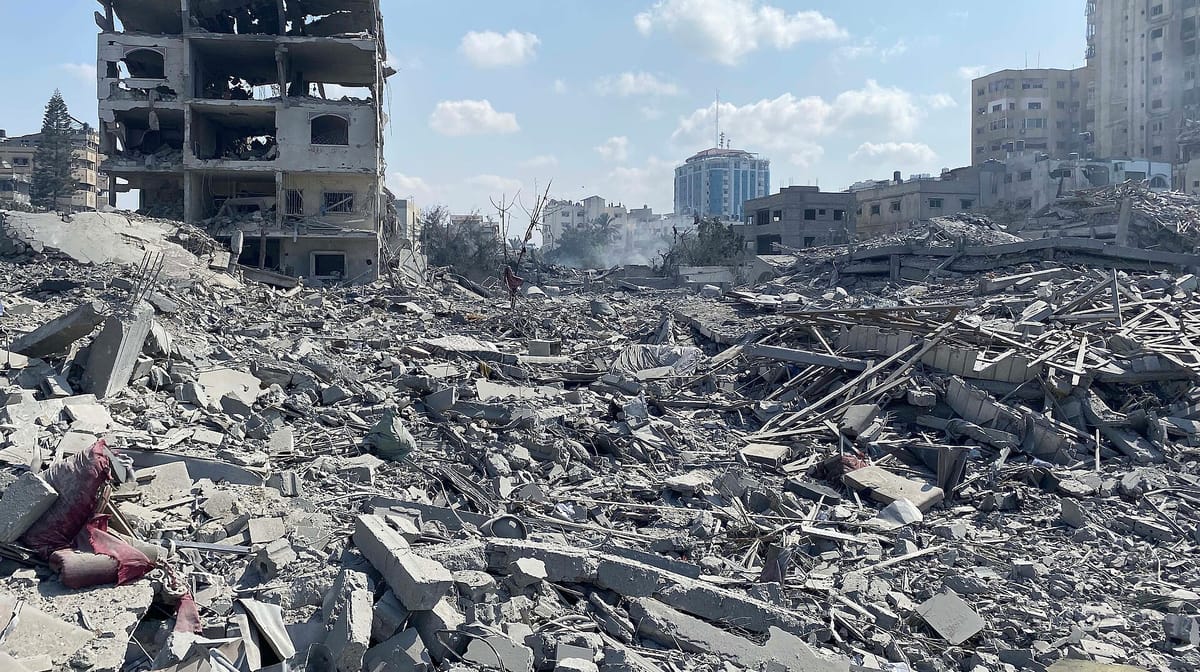
Saed said Palestinian workers have lost about 250,000 jobs and nearly $2 billion in labor income.
He said a declared ceasefire has not ended the challenges, citing ongoing Israeli attacks, movement restrictions and the destruction of livelihoods, and he called for protecting workers and restoring employment.
The Arab Group, the African Group, the Organization of Islamic Cooperation and the Gulf Cooperation Council reaffirmed their support for Palestinian workers' rights and called for sustainable and flexible funding.
Egypt announced its full support for the decision and said relief efforts should be linked to recovery and reconstruction.
Saudi Arabia, Jordan, Algeria, Morocco, Tunisia, Oman and Lebanon stressed the importance of supporting Palestinian institutions and expanding job opportunities.
The United Kingdom, Lithuania and France said the economy must be rebuilt and humanitarian aid delivered as quickly as possible.
Catelene Passchier, chairperson of the Workers' Group, expressed support for the decision and called for resources to implement the new programme.
Matthias Thorns, the employers' representative, stressed the need to restore the productive capacity of the Palestinian economy and help enterprises access markets and financing.
ILO representatives said the next phase will focus on economic recovery, working conditions, wages, workers' rights and support for small and medium-sized enterprises.
The ILO is a United Nations agency that sets international labor standards and brings together governments, employers and workers.