Iran warns of 'decisive response' to any renewed US or Israeli attack
Gholamhossein Darzi made the remarks at a Security Council session on the Middle East, insisting Tehran has never shut the door to diplomacy.
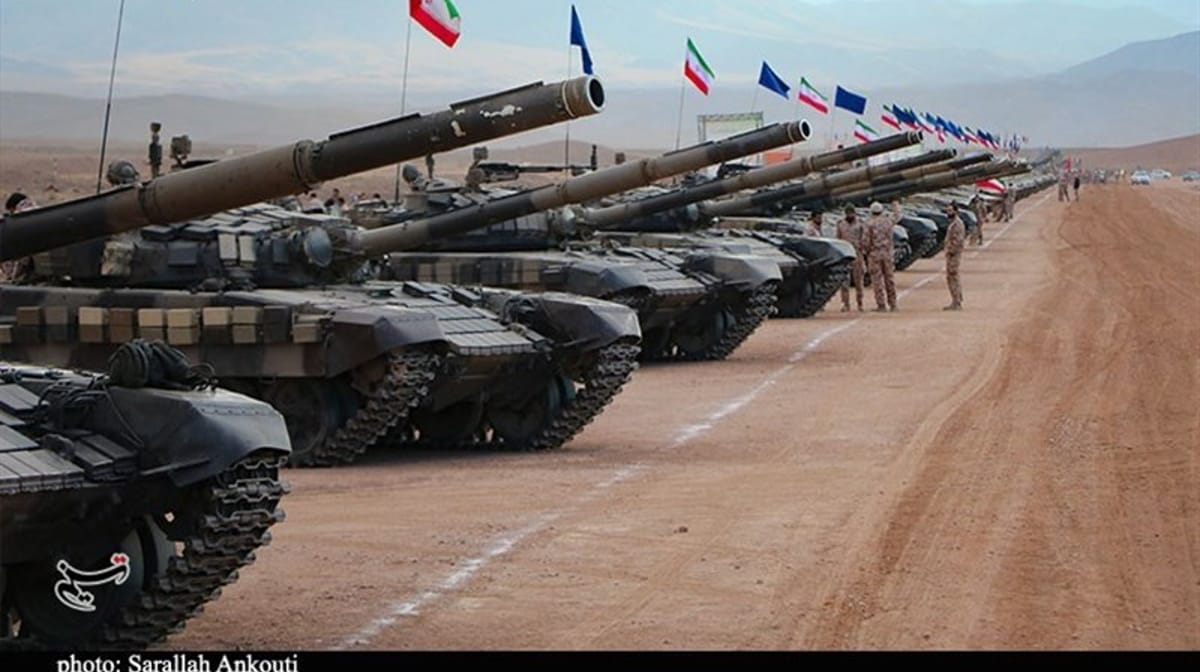
Iran's deputy permanent representative to the United Nations accused the United States on Friday of waging an unlawful war against Tehran and promised a swift, forceful reply to any new American or Israeli military strike, Turkey's state-run news agency Anadolu Agency reported.
Gholamhossein Darzi delivered the remarks during a Security Council meeting on the situation in the Middle East.
Darzi said Iran had joined the session to explain how the crisis began, accusing some council members, mainly Western ones, of presenting aggressors as victims and distorting the facts.
Responding to the US envoy, Darzi said Washington had no legal, political or moral standing to lecture or accuse Iran, and he called the United States the aggressor rather than the victim.
He charged Washington with launching an unwarranted war in breach of the UN Charter and basic principles of international law.
Darzi also said the United States had violated Iran's sovereignty and territorial integrity, bombed civilian infrastructure, threatened the Iranian people with annihilation and imposed a military and maritime blockade.
He argued that no Security Council resolution can take away a member state's inherent right to defend itself against an armed attack.
Darzi rejected suggestions that Tehran was unwilling to seek a diplomatic solution, saying Iran had not given up on diplomacy.
However, he warned that any renewed war of aggression by the United States or Israel would draw an immediate and forceful response, aimed at the source of the attack wherever it was located.
Article 51 of the UN Charter recognizes the inherent right of individual or collective self-defense if an armed attack occurs, the principle Darzi invoked in his remarks.
The 15-member Security Council is the UN body with primary responsibility for international peace and security, and its resolutions are binding on member states, although the five permanent members hold veto power.