Pakistan's PM, COAS among most influential Muslims
Pakistan's PM Shahbaz Sharif and COAS Asim Munir jointly ranked first in a list of 500 influential Muslims
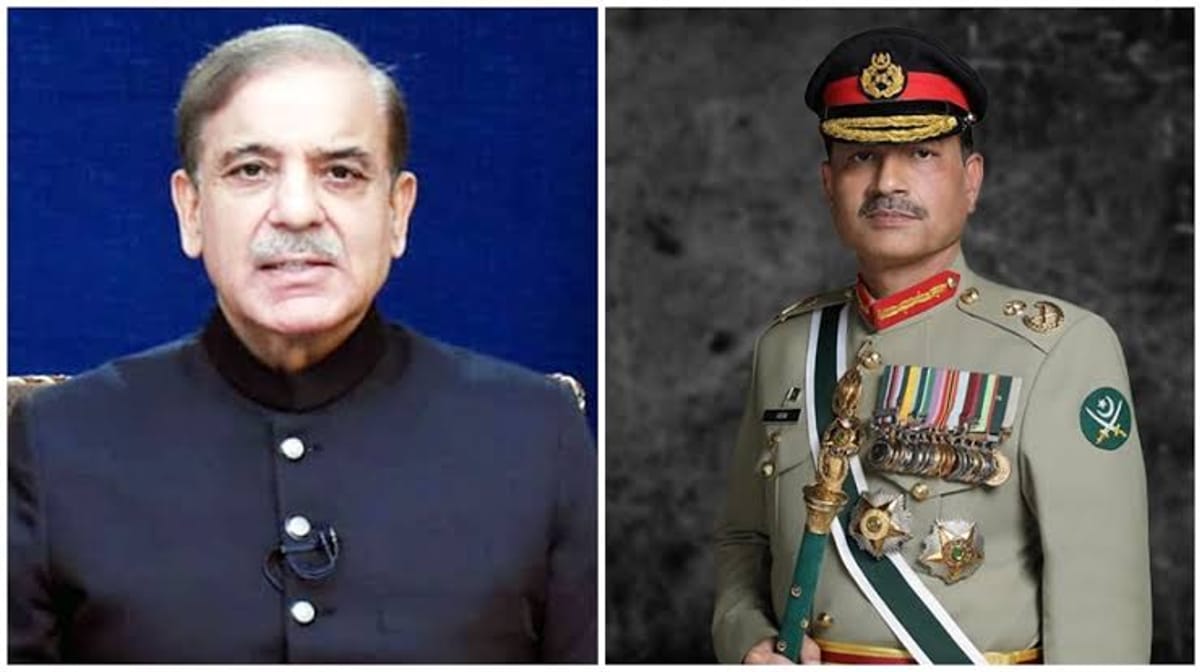
Prime Minister Shehbaz Sharif and Chief of Defence Forces Field Marshal Asim Munir have been jointly ranked first in this year’s list of the world’s 500 most influential Muslims, the Interior Ministry said on Sunday.
The annual list is compiled by the Royal Islamic Strategic Studies Centre (RISSC), an Amman-based research institute that has published it since 2009. The two Pakistani leaders share the top position with Saudi Arabia’s King Salman bin Abdulaziz and Crown Prince Mohammed bin Salman, and Turkish President Recep Tayyip Erdogan.
This is the first time in the list’s history that the No. 1 spot has been shared, with five people across three entries placed at the top.
The centre linked the joint ranking to the Makkah Joint Defence Agreement between Pakistan, Saudi Arabia and Turkiye, describing the pact as a “one for all, all for one” approach to collective security.
In its assessment of Pakistan, the report said Islamabad has maintained its strategic partnership with Riyadh while keeping channels open with Tehran, and continues to balance its ties with the major world powers.
Iran’s Supreme Leader Ayatollah Mojtaba Khamenei was ranked fourth, followed by Jordan’s King Abdullah II in fifth place and Qatar’s Emir Sheikh Tamim bin Hamad Al-Thani in sixth. Pakistani religious scholar Mufti Muhammad Taqi Usmani was placed seventh.
UAE President Sheikh Mohamed bin Zayed Al-Nahyan was ranked 12th and Egyptian President Abdel Fattah El-Sisi 22nd. Pakistani preacher Maulana Tariq Jamil came in at 32nd, while Liverpool forward Mohamed Salah was placed 39th.
Palestinian President Mahmoud Abbas was ranked 45th and Syria’s interim President Ahmed Al-Sharaa 46th. New York City Mayor Zohran Mamdani took the 49th spot.
Malaysian Prime Minister Anwar Ibrahim, Moroccan King Mohammed VI and Indonesian President Prabowo Subianto also feature on the list.
Former prime minister Imran Khan was among the honourable mentions in the politics category, along with Hamas leader Khalil Al-Hayya, London Mayor Sadiq Khan and US Senator-elect Abdul El-Sayed.
Palestinian paediatrician Dr Hussam Abu Safiya, the former head of Gaza’s Kamal Adwan Hospital, was named Man of the Year. He refused to abandon his patients and has been held in Israeli custody for more than 600 days without charge or trial.
The Woman of the Year title went to Fatemeh Zahra Sheikhabadi, a student who survived the US strikes on her school in the Iranian city of Minab. She later addressed the UN Human Rights Council on behalf of the children of Minab.
Background
The Royal Islamic Strategic Studies Centre publishes the list every year, ranking Muslims according to their influence on their communities and the wider world. It aims to recognise people who have made significant contributions in fields ranging from politics and religion to social activism.