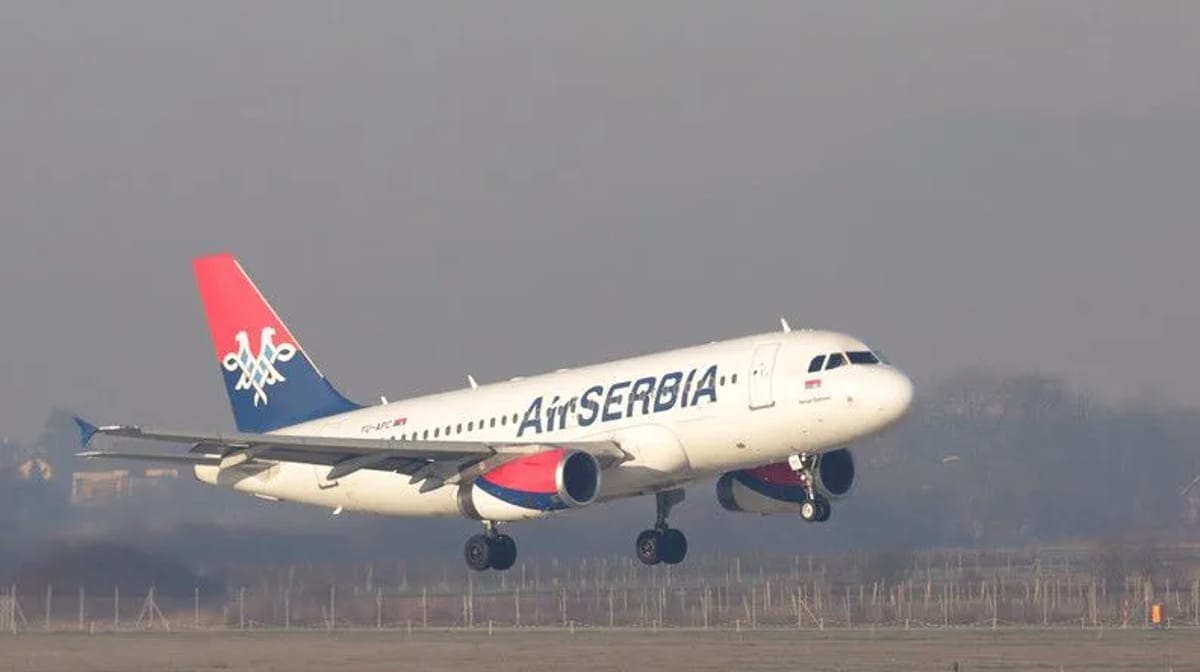
Serbia's student list proposes raising defense spending to 5% of GDP
The student-backed list would raise military pay by 20% to 30% and modernize rocket artillery and air defense, its representative said.
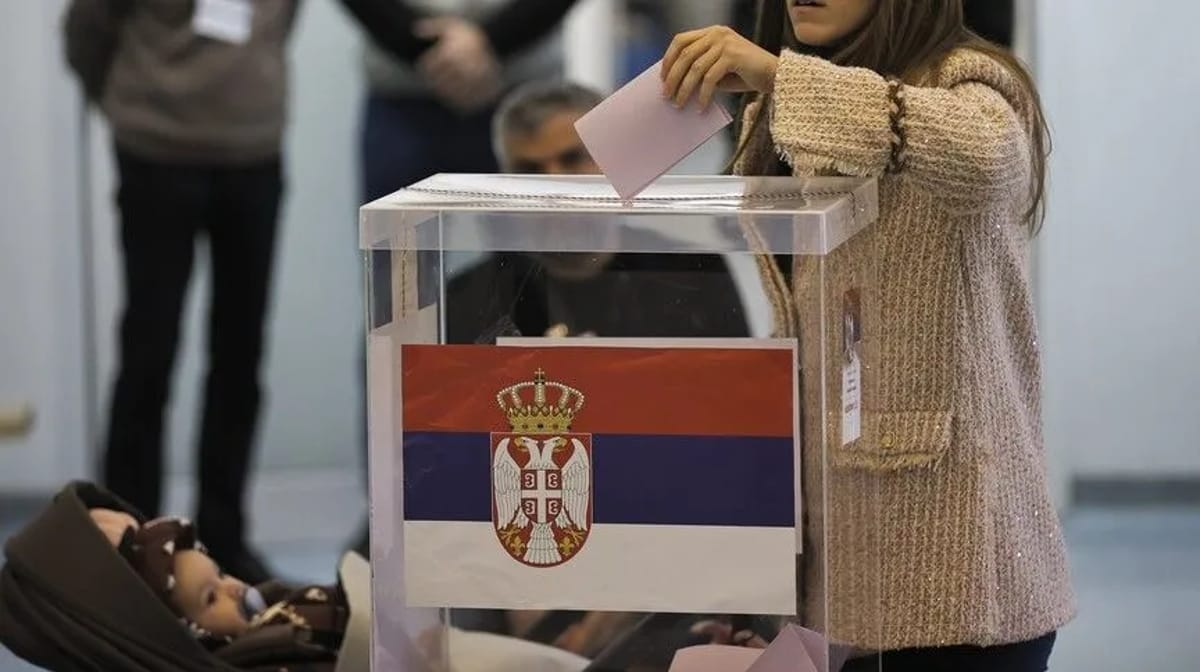
Serbia's student-backed electoral list, which is set to lead the next government, has outlined plans to lift military spending to 5% of economic output over time, Turkey's state-run news agency Anadolu Agency reported on Sunday.
The list won 140 of the 250 seats in parliament in the Oct. 25 snap elections, ahead of the alliance led by former President Aleksandar Vucic, which took 103 seats, final results confirmed by the Republic Electoral Commission on Nov. 5 showed.
Luka Ponorac, a former Serbian army officer and representative of the list, told public broadcaster RTS that carrying out the program would depend on the money and personnel the incoming government has at its disposal.
Ponorac said defense spending currently stands at roughly 2% to 2.5% of GDP, and the program would first raise that share to 3% before reaching 5% in the long term.
The program also proposes military pay increases of 20% to 30%, along with steps to narrow pay gaps between ranks and posts.
Ponorac cited soldiers in special forces units who earn more than generals, and senior instructors at the Military Academy who earn less than some officers in operational units because of differences in allowances.
The modernization plan gives priority to rocket artillery systems with ranges of 150 to 300 kilometers, an integrated air defense network covering short, medium and long distances, and network-centric communication and command systems.
It also calls for better air surveillance and early warning capabilities, the purchase of unmanned aerial vehicles, and a stronger role for military expert councils, the Military Technical Institute and the Technical Testing Center.
The list further says military security and intelligence services must operate within the law, and that allegations of unlawful conduct by individual officials should be investigated.
Ponorac stressed that the scope and speed of the reforms would depend on the resources and conditions the next administration inherits.
The new parliament has yet to convene, and the next government has not been formally established.
The election result paved the way for the movement to form a government after nearly two years of anti-government protests, which began after the November 2024 collapse of a railway station canopy in Novi Sad killed 16 people.