
Ancient roman bath in turkey shows earthquake damage
researchers study 2,000 years of history at roman bath complex in turkey
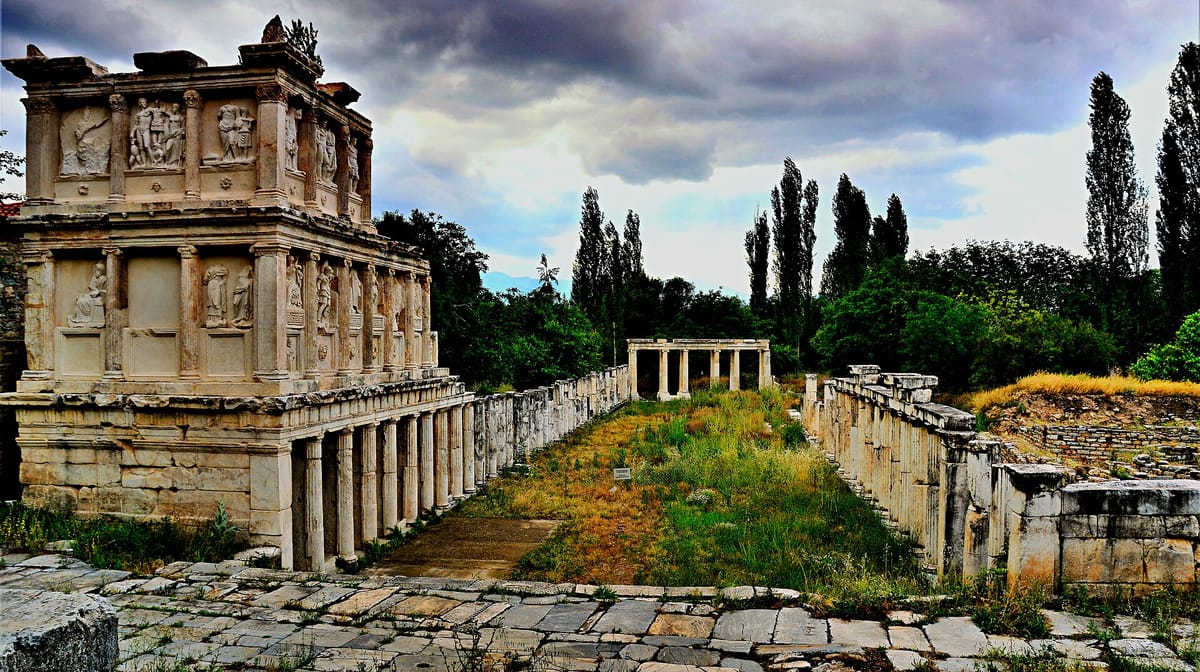
A newly published study has uncovered how powerful earthquakes shaped the construction, restoration and eventual destruction of an ancient Roman bath complex in southwestern Turkey, offering fresh insights into the impact of natural disasters on historic settlements.
According to Turkey's state-run Anadolu Agency, the research examines the 2,000-year history of the bath complex in Stratonikeia, an ancient city in Muğla province.
Built in the late first or early second century AD, the structure formed part of the city's development during the Roman period. Researchers identified evidence of a major renovation between AD 365 and 499, which may have followed a devastating earthquake near Crete in AD 365 that affected large parts of the eastern Mediterranean.
The study also established that the complex suffered its final major collapse sometime between AD 613 and 850, with AD 633 emerging as the most likely date. Researchers believe the destruction may have been linked to a powerful earthquake that struck the region during the early seventh century.
Eren Şahiner, a professor at Ankara University's Earth Sciences Application and Research Center, said the findings provide valuable evidence of how ancient societies dealt with natural disasters and their lasting consequences.
To reconstruct the building's history, researchers combined a scientific dating method based on measuring energy accumulated in minerals with archaeological findings and historical records of earthquakes.
The multidisciplinary approach enabled the team to establish a more detailed timeline of the structure's construction, repairs and eventual destruction.
The researchers believe the findings could contribute to a broader understanding of how earthquakes influenced the development of ancient cities, affected their populations and shaped the resilience of communities over time.
Historical significance
Located in Turkey's Muğla province, Stratonikeia is an important archaeological site renowned for its extensive remains from different historical periods, particularly the Roman era. Its surviving structures offer valuable evidence of ancient urban planning, architecture and everyday life.
The latest research highlights how geological events repeatedly influenced the fate of ancient buildings and communities. It also demonstrates how modern scientific techniques can help archaeologists uncover the environmental challenges faced by societies thousands of years ago.