
Afghan UN Envoy: Defending Human Rights Under Taliban Can Cost Life
Afghanistan's acting UN envoy claims Taliban arrests and tortures human rights defenders, especially women.
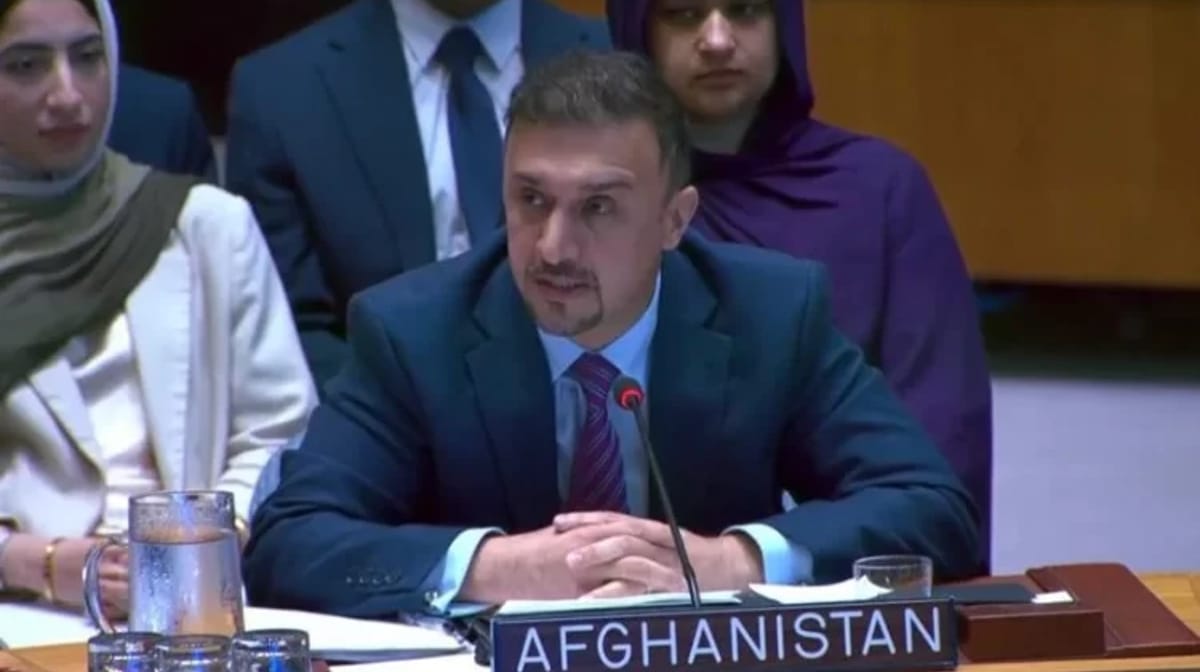
Nasir Ahmad Faiq, Afghanistan’s chargé d’affaires at the United Nations, has warned that standing up for human rights in Afghanistan now carries grave personal risks, saying those who do so may pay with their freedom, their security, and even their lives.
In a statement released on Wednesday, October 21, Faiq said he had brought the issue before the Third Committee of the 81st session of the United Nations General Assembly, the body responsible for social, humanitarian and human rights matters.
According to Faiq, the Taliban systematically target human rights defenders, with women bearing the heaviest burden. He described a pattern of arbitrary arrests, torture, and enforced disappearances, alongside threats directed at the relatives of activists, tactics he said are designed to silence dissent and isolate those who speak out.
Faiq drew particular attention to the treatment of women in custody. He said women protesters and rights defenders held in Taliban detention have been subjected to sexual harassment, threats of sexual violence, and sexual abuse. Such abuses, he noted, inflict lasting harm not only on the victims themselves but on the wider movement for women’s rights in the country.
The acting head of Afghanistan’s Permanent Mission to the UN also highlighted the barriers that keep violations hidden. Fear of reprisal, combined with the social stigma attached to certain forms of abuse, discourages victims and witnesses from reporting what they have experienced. As a result, many violations go undocumented, and those responsible are rarely held to account.
Faiq stressed that the danger extends across the full spectrum of civic activity. People who campaign for girls’ right to education, assist survivors of violence, or record evidence of human rights abuses all face serious threats to their safety and lives. Since returning to power in August 2021, the Taliban have barred girls from secondary and higher education and imposed sweeping restrictions on women’s work, movement and public participation, making such advocacy both more urgent and more perilous.
He added that intimidation aimed at defenders’ families has a compounding effect. By putting relatives at risk, the Taliban not only increase pressure on individual activists but also send a broader message that deters others from coming forward. This, Faiq said, deepens the climate of fear and further shrinks the space for civil society in Afghanistan.
Faiq continues to represent Afghanistan’s mission at the UN on behalf of the former Islamic Republic, as the Taliban administration has not been granted the country’s UN seat. His remarks add to a growing body of concern raised at the United Nations over the deteriorating human rights situation in Afghanistan and the protection of those working to defend it.