Pakistan Emphasizes International Law in Global Relations
Pakistan stresses need for international law to govern global relations, not force or coercion
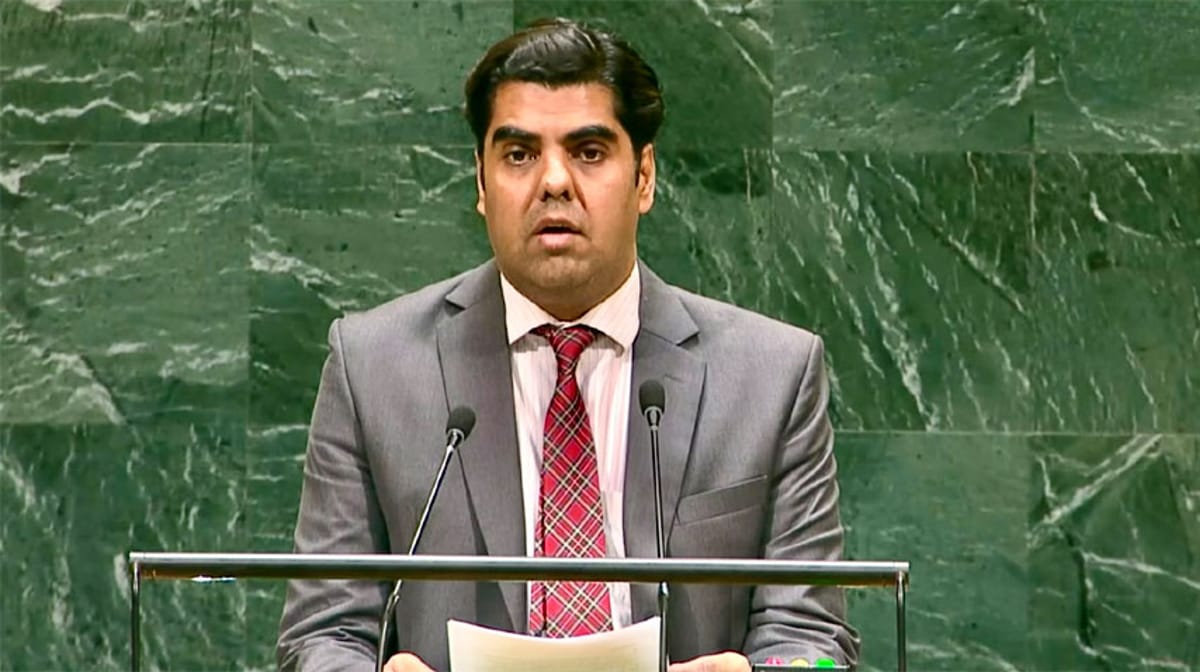
Pakistan has emphasized that international relations should be guided by international law, rather than the use of force, coercion, or intimidation, the state broadcaster Radio Pakistan reported on Thursday.
First Secretary Zulfiqar Ali made these remarks during the General Assembly's debate on the report of the International Court of Justice.
He reaffirmed Pakistan's commitment to international law and the key role of the International Court of Justice in maintaining a rules-based international order.
Zulfiqar Ali welcomed the ICJ's recent Advisory Opinion on Israel's obligations in the Occupied Palestinian Territory, which stated that Israel, as the occupying power, has a legal obligation to facilitate humanitarian relief operations by the United Nations and its entities.
He called for a renewed commitment to the rule of law and the continued strengthening of the Court, and reaffirmed Pakistan's faith in the principles of the UN Charter and international law.
Background
The International Court of Justice, also known as the World Court, is the primary judicial organ of the United Nations.
It plays a crucial role in settling disputes between states and providing advisory opinions on international law.
Significance
Pakistan's emphasis on international law reflects its commitment to upholding the principles of the UN Charter and promoting a rules-based international order.
This stance is particularly relevant in the current global landscape, where rising tensions and conflicts have sparked concerns about the erosion of international law and the use of force.