Taiz health sector at risk of collapse, Yemeni official warns
Dozens of health facilities have stopped or scaled back work in Houthi-controlled districts, and emergency medicines are at 30 percent of required stocks.
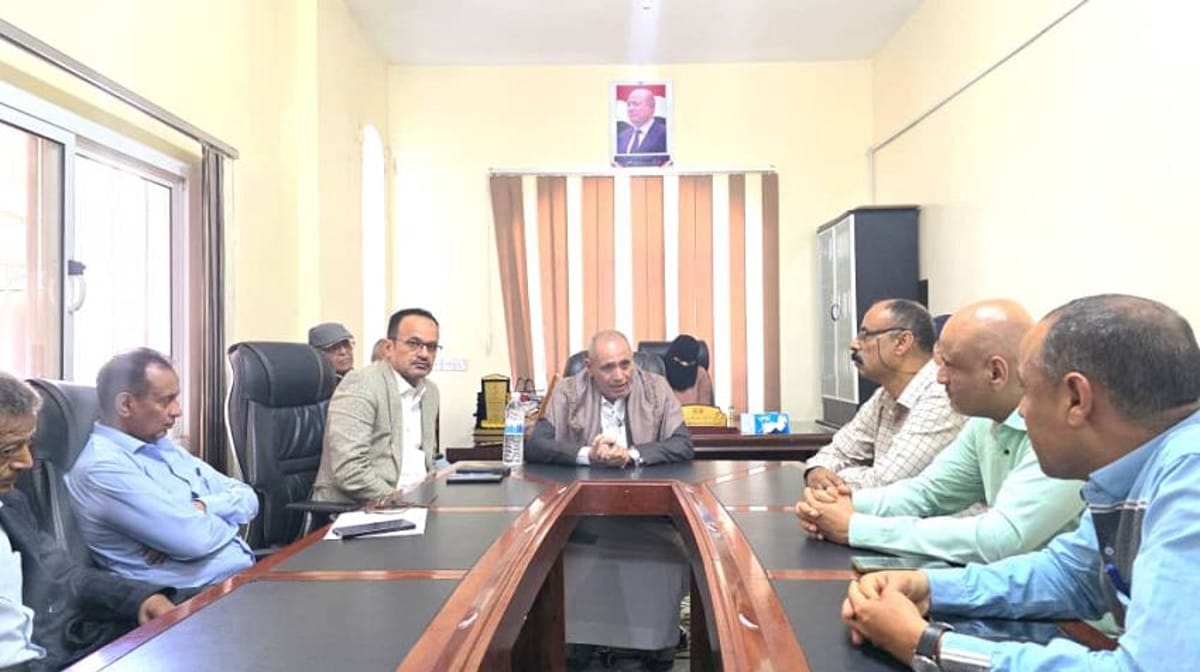
Taiz's health sector faces collapse because of the Houthi siege and severe shortages of medical supplies, First Deputy Governor Abdulqawi al-Mikhlafi warned on Monday, the news agency of Yemen's internationally recognised government Saba (Government) reported.
Al-Mikhlafi made the remarks during a visit to the Public Health and Population Office, where he reviewed services and the challenges facing medical facilities.
He said the siege and the war had also exposed healthcare facilities, ambulances and civilians to attacks and violations, and stressed the need to keep medical services running.
He directed the Health Office to compile a documented report on violations against the health sector in the coastal and al-Hujariyah districts, including attacks on medical facilities and their use as military barracks.
Health Office Director General Fahd al-Nadhari said services in 12 hospitals and 18 health centers were at risk of shutting down.
He said 120 health facilities had stopped operating completely, while 66 others were only partly operational in districts under Houthi control.
Al-Nadhari warned that services at the governorate's two dialysis centers were also under threat, although the centers provide about 6,300 treatment sessions a month to around 1,100 patients.
The deterioration has affected 186,415 children under five and 22,986 pregnant women, al-Nadhari said.
He added that 5,057 children suffer from severe acute malnutrition, 27,752 from moderate acute malnutrition, and 9,454 infants under one year have been denied routine immunization.
Emergency medicines and medical supplies have fallen to 30 percent of required stocks, fuel to 5 percent and oxygen to 2 percent, al-Nadhari said.
The sector has also lost or suffered damage to 15 ambulances and 22 intensive care beds, and some medical facilities have been turned into military barracks.
Al-Mikhlafi commended health workers for keeping services running and urged stronger coordination among health authorities to ensure continuity and quality of care.
The meeting warned that the continued decline threatens essential healthcare, with potentially severe consequences for patients, women and children, and called for urgent action to supply medicines, medical equipment, fuel and oxygen.