Tralalero Tralala Meaning: What the Viral Meme Says, and Why Parents Should Know
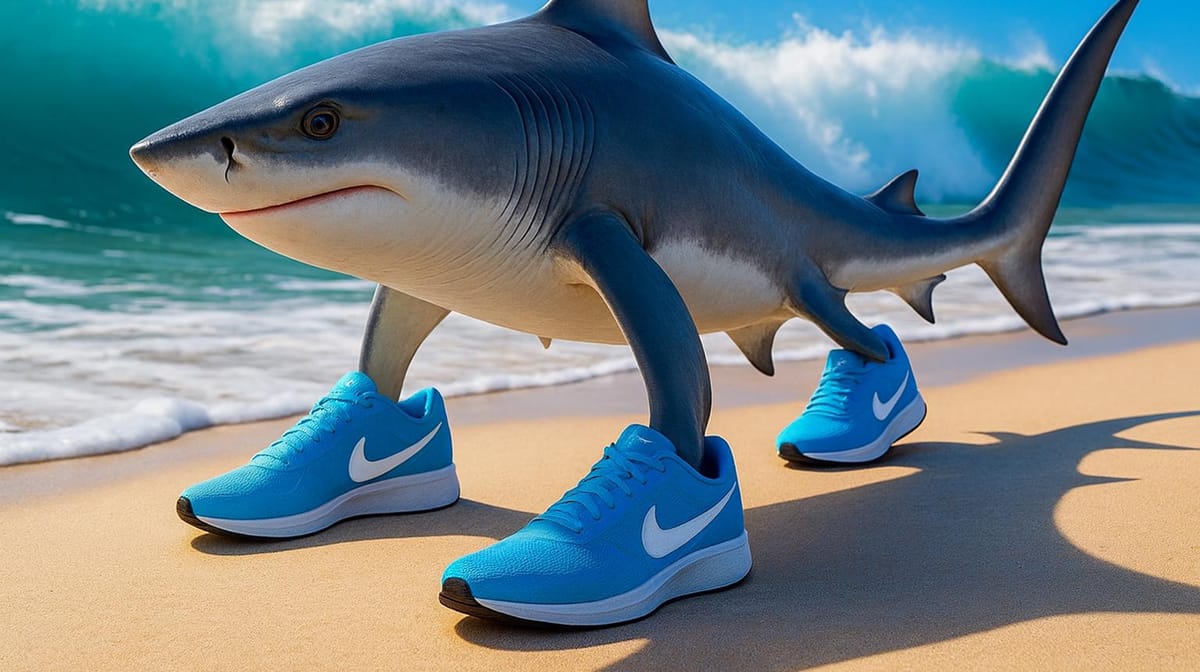
Tralalero tralala has no real meaning. It is a made-up, sing-song phrase, like "tra-la-la" in English, used as the name of an AI-generated shark wearing Nike sneakers. The character went viral on TikTok in early 2025 as the first star of the "Italian brainrot" meme trend.
The name itself is harmless. The problem is the original Italian voice recording behind the meme. It contains blasphemy against both Allah and God, along with crude sexual insults. Many children in Pakistan have repeated or shared it without knowing what it says.
This explainer covers what tralalero tralala means in English, Urdu and Hindi, where the meme came from, why it is considered offensive, and what parents can do about it.
Quick answer:
• Meaning: none; it is a playful nonsense phrase, close to "tra-la-la"
• What it refers to: an AI-made shark character in blue Nike sneakers
• Origin: Italian-language TikTok audio, January 2025
• Is it bad? The name is not. The original audio is offensive and blasphemous.
Who is Tralalero Tralala?
Tralalero Tralala is a cartoonish, AI-generated blue shark standing on legs and wearing Nike sneakers. It is usually shown on a beach, often with a fiery explosion effect behind it.
It is not a character from a film, game or cartoon series. It exists only in short videos, remixes and fan edits.
Where did the meme come from?
The meme began with an Italian-language voice recording posted on TikTok, according to the meme database Know Your Meme. The account that first posted the audio was later banned.
The trend grew quickly in January 2025:
1. Early January: other TikTok users began reusing the audio.
2. January 13: a user paired it with the AI image of a shark in Nike shoes. That video passed 7 million plays within a month.
3. Late January: phonk-music remixes and parodies spread the sound further.
4. February onward: it appeared in anime edits, football edits and Roblox videos.
What is "Italian brainrot"?
"Brainrot" is internet slang for absurd, low-effort content that people watch endlessly. "Italian brainrot" is the name for a series of AI-generated animal-object hybrids, each with a nonsense Italian-sounding name and a dramatic voiceover.
Tralalero Tralala was the first and is still the best known. The trend is most popular with Gen Alpha, roughly children aged 8 to 15, who use the names as in-jokes at school and in games.

What does tralalero tralala mean in English?
It has no direct English translation. In Italian, "tralalà" is a sing-song sound used when humming a tune, much like "tra-la-la" or "la-la-la" in English. "Tralalero" is a made-up stretch of the same sound, added for rhythm.
So if you type the phrase into Google Translate, you will get either the same words back or a meaningless result. That is expected: the phrase is meant to sound catchy, not to say anything.
You may also see it spelled "tralalelo tralala", "tralala tralala" or "tra la la". These all refer to the same meme.
Tralalero tralala meaning in Urdu
ٹرالالیرو ٹرالالا کا کوئی لفظی مطلب نہیں۔ یہ ایک بے معنی، گنگنانے والا جملہ ہے، بالکل ویسے ہی جیسے ہم کوئی دھن گاتے ہوئے "لا لا لا" کہتے ہیں۔ یہ مصنوعی ذہانت (اے آئی) سے بنی ایک شارک کا نام ہے جو نائکی کے جوتے پہنے ہوئے ہے۔ نام خود بُرا نہیں، لیکن اس کی اصل اطالوی آڈیو میں اللہ اور خدا کے بارے میں گستاخانہ الفاظ ہیں۔
Tralalero tralala meaning in Hindi
ट्रालालेरो ट्रालाला का कोई शाब्दिक अर्थ नहीं है। यह एक बेमतलब, गुनगुनाने वाला वाक्यांश है, जैसे कोई धुन गाते समय "ला ला ला" कहा जाता है। यह AI से बनी एक शार्क का नाम है जो नाइकी के जूते पहने हुए है। नाम अपने आप में बुरा नहीं है, लेकिन इसकी मूल इतालवी ऑडियो में ईश्वर और अल्लाह के बारे में अपमानजनक शब्द हैं।
Is tralalero tralala bad?
The phrase is not bad, but the original audio is. The Italian voiceover that launched the meme includes blasphemous insults directed at Allah and at God, as well as vulgar sexual language. Both Know Your Meme and Mexican newspaper La Razón have reported this. Imroz is not repeating those words.
Most viewers outside Italy do not understand Italian. That is how a clip with religiously offensive content spread among children worldwide, including in Pakistan, without most of them realising what they were hearing.
Does every Tralalero Tralala video contain the offensive audio?
No. Many later videos, remixes and games use only the character's name or a re-recorded version of the voiceover. Some of these drop the offensive lines entirely.
However, the original audio is still widely reused. You cannot tell which version a video uses from the title or thumbnail alone.
Why it matters in Pakistan
Religious insults are deeply offensive to most Pakistani families, and blasphemy is a serious legal matter in the country. A child who sings or forwards the original clip almost certainly does not know what it says. Even so, sharing it in a school group or on social media could cause real hurt and trouble.
This is why understanding the meme matters more than banning the word.
What should parents do?
If your child says "tralalero tralala" or watches these videos, there is no need to panic. Most children only know the name and the shark picture.
1. Ask before reacting. Ask what the meme is and where they saw it. You will learn whether they have heard the original audio.
2. Explain calmly. Tell them the name is just a funny sound, but the original voice recording insults Allah and other faiths. Most children stop sharing it once they know.
3. Teach a simple rule. Do not repeat or forward audio in a language you do not understand. This applies far beyond this one meme.
4. Check settings. Use restricted mode on YouTube, Family Pairing on TikTok, and parental controls on the phone or tablet.
5. Watch for the next one. New brainrot characters appear constantly. Keep an open conversation so your child tells you what is trending.
What should teachers and schools do?
Treat it as a media-literacy lesson rather than a discipline issue. A short class discussion on how viral audio can hide offensive content is more effective than banning the name, which often makes it more popular.
Other Italian brainrot characters
Tralalero Tralala opened the door for dozens of similar AI characters. The best-known include:
| Character | What it looks like | Imroz explainer |
|---|---|---|
| Bombardiro Crocodilo | A crocodile merged with a military bomber plane | Bombardiro Crocodilo meaning |
| Tung Tung Tung Sahur | A wooden figure holding a bat; the name echoes the drumming used to wake people for sehri in Ramadan | Tung Tung Tung Sahur meaning |
| Ballerina Cappuccina | A ballerina with a cappuccino cup for a head | Ballerina Cappuccina meaning |
| Lirili Larila | An elephant–cactus hybrid in sandals |
Frequently asked questions
What does tralalero tralala mean?
Nothing literal. It is a catchy nonsense phrase based on the Italian "tralalà", similar to "tra-la-la" in English. It is the name of an AI-generated shark wearing Nike sneakers.
What does tralalero tralala mean in English?
There is no English translation. The closest equivalent is "tra-la-la", the sound people make when humming a tune.
Is tralalero tralala a bad word?
No. The name itself is harmless. The original Italian audio that made it famous contains blasphemy against Allah and God and crude sexual language.
Who is Tralalero Tralala?
An AI-generated cartoon shark with legs and blue Nike sneakers. It is the first and most famous "Italian brainrot" character.
Where did tralalero tralala come from?
From an Italian-language TikTok audio that went viral in January 2025, later paired with the AI shark image.
Why is tralalero tralala so popular with kids?
The rhythm is catchy, the image is absurd, and it spread through games, remixes and edits. Children enjoy it as an in-joke, usually without understanding the Italian.
Is it safe for children to watch?
Videos that use only the character or a clean remix are harmless. Videos with the original audio are not suitable. Parents should check which version their child has seen.