Zelenskyy hopes US midterms bring more support for Kyiv
He said more American weapons and money could push Putin toward talks, and he wants Taurus missiles from Germany.
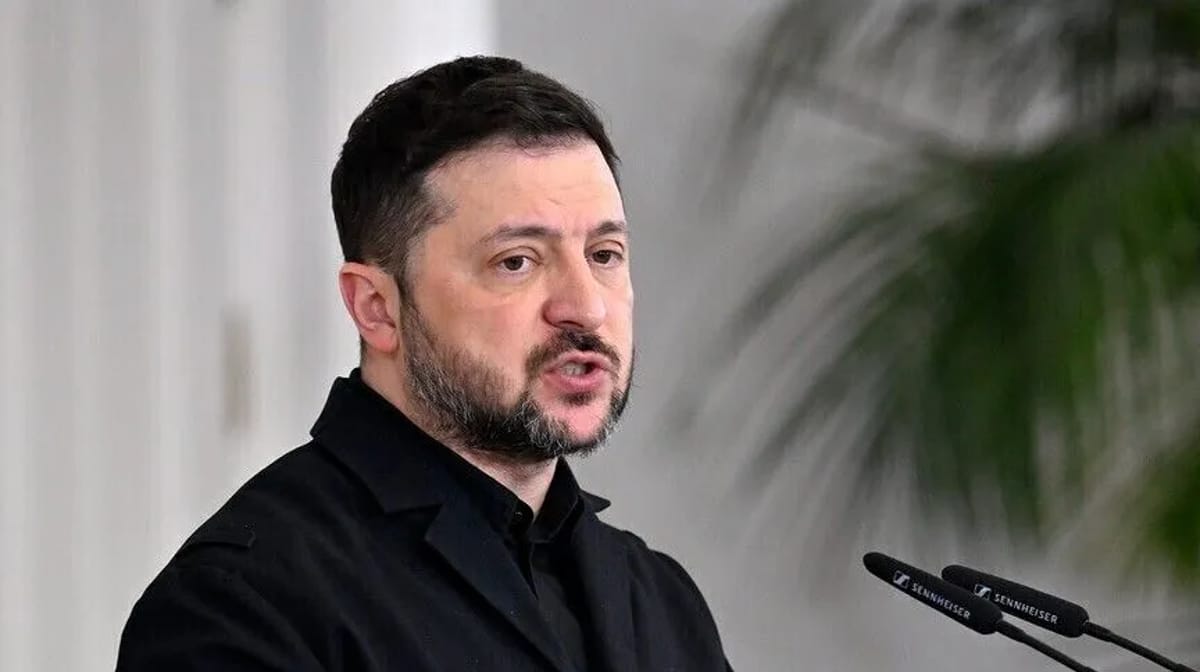
Ukrainian President Volodymyr Zelenskyy on Thursday voiced hope that the outcome of the US midterm elections would bring stronger backing for Kyiv, Turkey's state-run news agency Anadolu Agency reported.
He argued that larger American military and financial aid could shape Russian President Vladimir Putin's thinking and move both sides closer to negotiations.
Zelenskyy said in a statement on Telegram that people always hope changes will turn out for the better.
He expected the new balance of power in Washington to translate into more help for Ukraine, particularly if Congress approved extra military and financial assistance.
He said Ukraine enjoys bipartisan support in the United States and thanked both Democrats and Republicans, while noting that Democratic candidates had spoken clearly in favor of Kyiv during the campaign.
He called for tighter coordination between Washington and European capitals, saying the alliance was essential to stopping Putin.
Looking back at the war, Zelenskyy said Ukraine did not receive substantial international assistance until Russia launched its full-scale offensive in 2022.
He rejected suggestions that Ukraine should withdraw from the Donbas region in exchange for peace, arguing that such a move would not stop further Russian advances.
Zelenskyy said Kyiv wants to acquire Germany's Taurus long-range cruise missiles because they could help Ukraine strike Russian missile launch sites.
He argued that the weapons could benefit both countries by being tested in combat and helping Germany strengthen its defense industry.
Citing the German-made IRIS-T air defense system, he said Ukraine's battlefield experience had shown its capabilities and pointed to areas for improvement, adding that German manufacturers now face orders stretching 10 to 20 years ahead.
He also said Ukraine sought Taurus missiles because its options for countering Russian ballistic missile attacks were limited after the US could not provide additional interceptor missiles.