Muslim, Arab political gains reshape US and Israeli electoral landscape
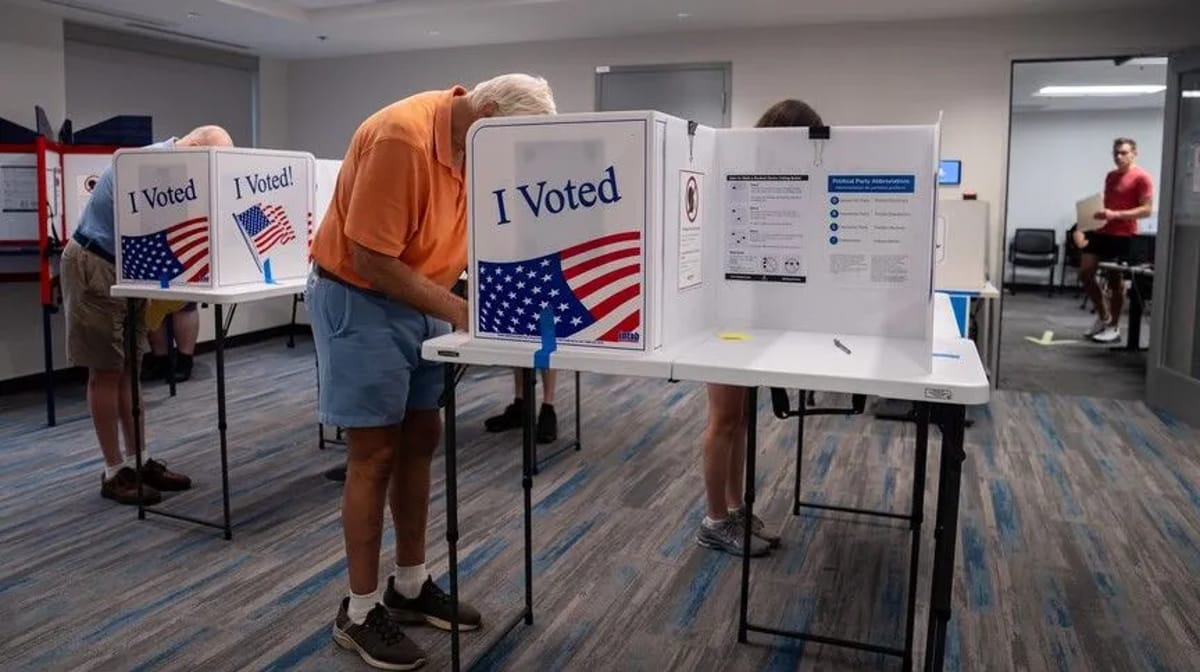
Recent elections in the US and Israel have seen record gains for Muslim and Arab-led parties, potentially shifting influence in national politics.
Recent elections in the United States and Israel have strengthened the political representation of Muslim and Arab communities, with Muslim candidates making historic gains in the US and Arab-led parties emerging as potential kingmakers in Israel, Anadolu Agency reported.
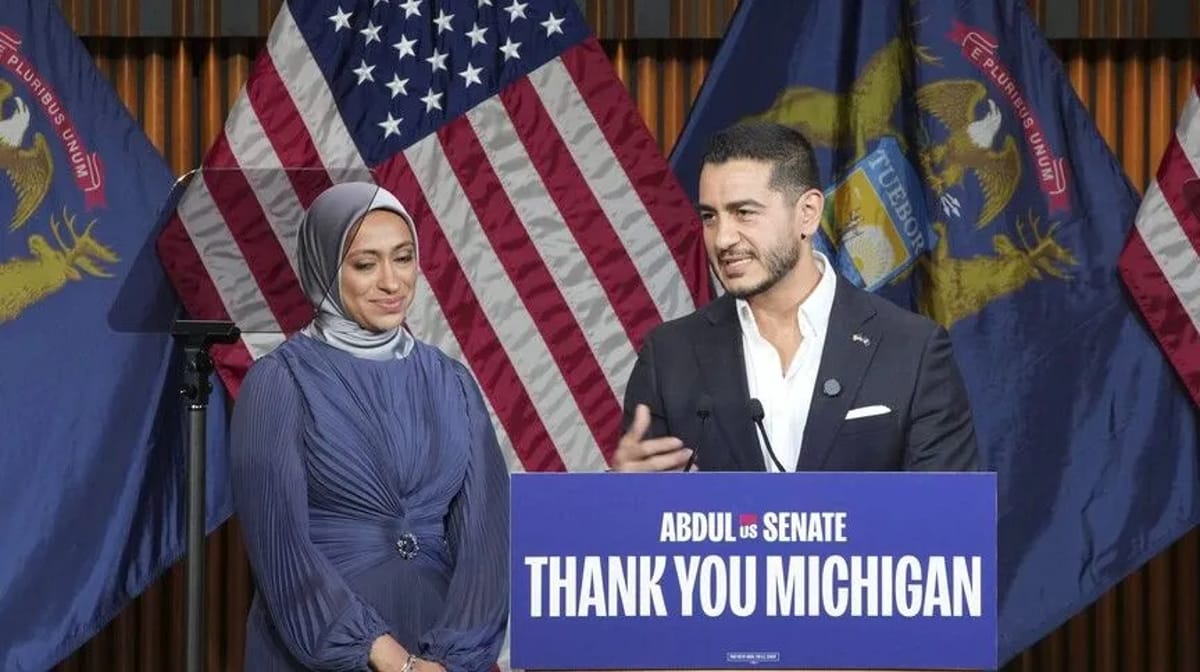
In the United States, Abdul El-Sayed became the first Muslim elected to the Senate from Michigan, while at least seven Muslim candidates won seats in Congress, marking a record level of representation.
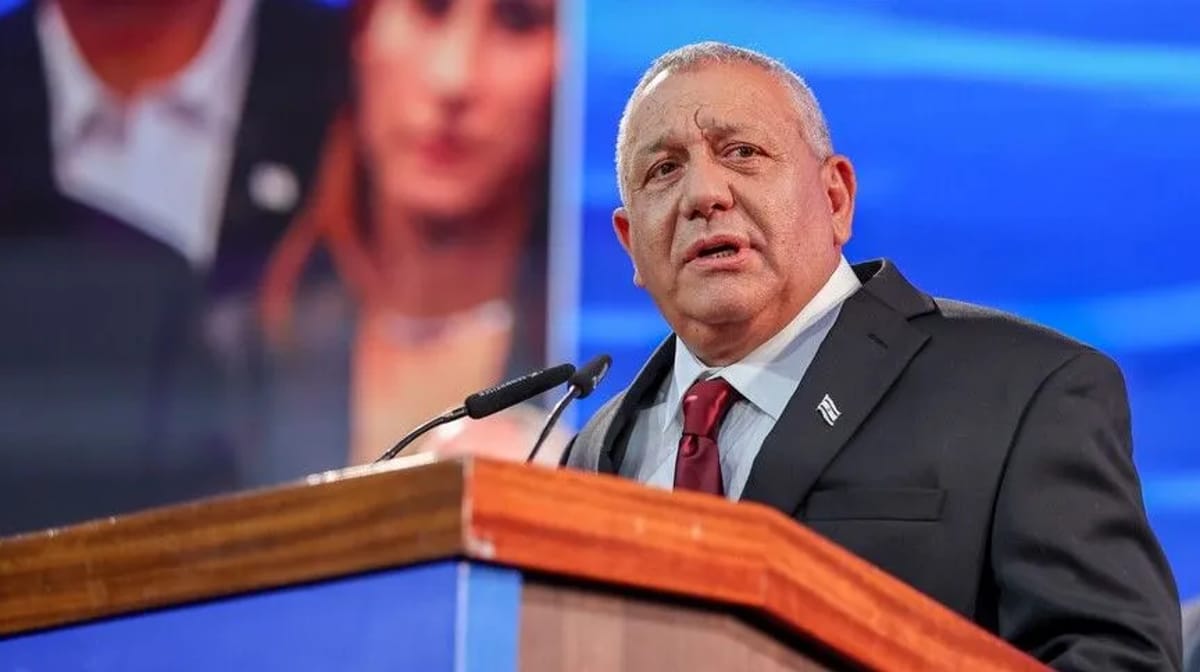
In Israel, Arab-led parties secured enough seats in the October 27 election to potentially influence the formation of the next government.
Political analysts said the gains were the result of decades of grassroots political mobilisation, further energised by the Gaza war. However, they cautioned that converting electoral victories into sustained political influence would require strategic alliances, continued public engagement and overcoming institutional resistance.
The November 3 US midterm elections saw Democrats take control of both chambers of Congress, with Muslim candidates recording unprecedented success.
Jason H. Campbell, a senior fellow at the Middle East Institute, said Muslim Americans continued to represent a relatively small share of the country's electorate but had become increasingly active in the political process. Their voter registration rate climbed from 60% in 2016 to 85% in 2025, he said.
Campbell told Anadolu Agency that Muslim Americans had gained greater political leverage in areas where they constituted a larger proportion of the population, benefiting from stronger electoral participation.
James Zogby of the Arab American Institute said the outcome reflected a long-term evolution in Arab American political engagement rather than an abrupt change triggered exclusively by the Gaza conflict.
He said the community had spent the past four decades expanding its political participation and developing greater political maturity.
Meanwhile, Giorgio Cafiero, CEO of Gulf State Analytics, viewed the results as a setback for Islamophobic political campaigns and opposition to the US-Israeli war against Iran.
He also pointed to the economic fallout from the conflict, arguing that its impact on the global economy had placed additional pressure on American households and businesses, contributing to the Democratic gains.
Despite the electoral advances, analysts warned against expecting an immediate overhaul of US foreign policy. Congressional divisions over Israel remain significant, while the president retains substantial powers over diplomatic engagement and military decisions.