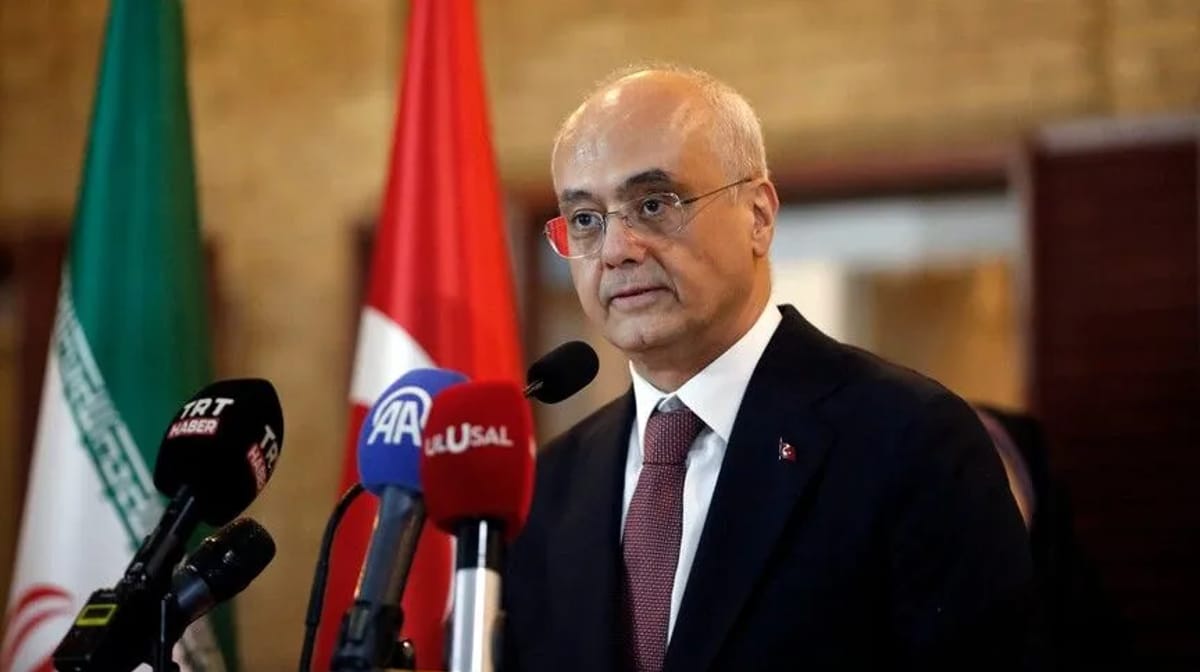
Eisenkot vows closer US ties and a new Israeli government
Opposition leaders have agreed to recommend Eisenkot to President Isaac Herzog, who will consult parties before assigning someone to form a government.
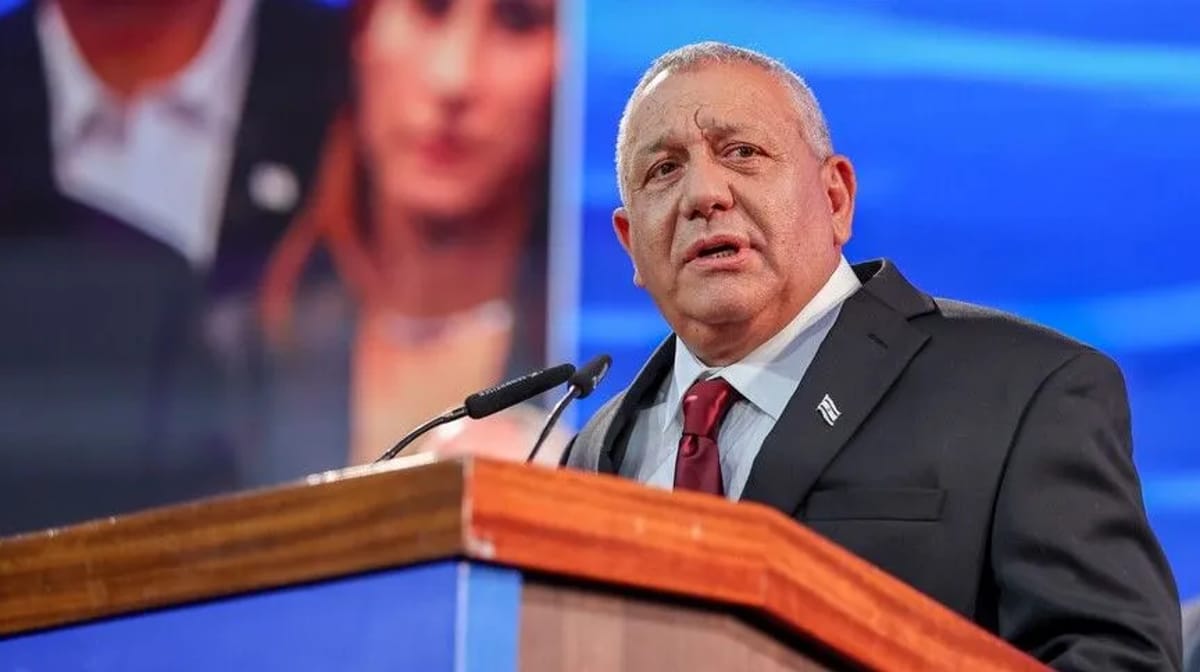
Israeli opposition leader Gadi Eisenkot vowed on Wednesday to deepen ties with Washington under President Donald Trump and to build a new government after last week's parliamentary elections, Turkey's state-run news agency Anadolu Agency reported.
Eisenkot, who heads the Yashar party, said in a post on the US social media company X that work was under way to set up a national emergency government as quickly as possible.
"Our democracy remains strong and vibrant," he said.
The former Israeli military chief promised leadership that would serve all Israelis and uphold liberal values and equality.
He described the relationship with the United States as a partnership that goes beyond any single government, based on shared democratic values and security interests.
Eisenkot said he would renew and strengthen that partnership and reinforce the bipartisan support that has long backed it.
He also said he would work with Washington and regional allies on security, economic cooperation and stability in the region, and that Israel would remain one of the United States' most dependable strategic partners in the Middle East.
Opposition moves toward coalition
His remarks came a day after opposition leaders agreed to recommend him to President Isaac Herzog as the candidate to form the next government, a step meant to avoid another election.
The agreement was reached by Eisenkot, former Prime Minister Naftali Bennett, opposition leader Yair Lapid, Yisrael Beytenu leader Avigdor Lieberman and Democrats leader Yair Golan.
The same leaders agreed to start coalition talks and work toward a national emergency government.
Election results leave no clear majority
Israel's Oct. 27 parliamentary elections gave Prime Minister Benjamin Netanyahu's right-wing bloc 53 seats in the 120-member Knesset, well short of the 61 needed for a majority.
Opposition parties won 48 seats and Arab parties took 19, which could give Netanyahu's opponents enough support in parliament to recommend Eisenkot for prime minister.
Disagreements persist among opposition parties, however, over a coalition that would rely on support from Arab lawmakers.
Under Israel's parliamentary system, the president consults parliamentary parties before assigning a lawmaker to form a government.
The newly elected Knesset is scheduled to convene on Nov. 10.